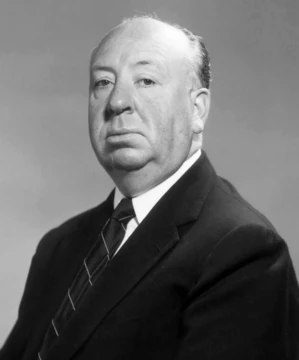
Robert Altman
American filmmaker of the New Hollywood era.

via Wikipedia: Robert Altman · see source
Robert Bernard Altman (February 20, 1925 – November 20, 2006) was an American filmmaker. He is considered an enduring figure from the New Hollywood era, known for directing subversive and satirical films with overlapping dialogue and ensemble casts. Over his career he received numerous accolades, including an Academy Honorary Award, two BAFTAs, three Independent Spirit Awards, a Primetime Emmy Award, a David di Donatello Award, and a Golden Globe, as well as nominations for seven competitive Academy Awards. Despite those seven nominations, Altman never won a competitive Academy Award.
- born
- February 20, 1925, Kansas City, Missouri
- died
- November 20, 2006
- field
- Filmmaker
- nationality
- American
- known_for
- Subversive and satirical films with overlapping dialogue and ensemble casts
Verified Timeline
Lore & Background
Altman was born on February 20, 1925, in Kansas City, Missouri, the son of Helen and Bernard Clement Altman. He was educated at Jesuit schools, including Rockhurst High School, and graduated from Wentworth Military Academy in Lexington, Missouri in 1943. Soon after graduation, he joined the United States Army Air Forces at age 18. During World War II, he flew more than 50 bombing missions as a co-pilot of a B-24 Liberator with the 307th Bomb Group in Borneo and the Dutch East Indies. Upon his discharge in 1947 he moved to California. He entered filmmaking on a whim, selling a script to RKO for the 1948 picture Bodyguard, which he co-wrote with George W. George. He returned to Kansas City in 1949 and accepted a job as a director and writer of industrial films for the Calvin Company, directing some 65 industrial films and documentaries there. Through this early work, he experimented with narrative technique and developed his characteristic use of overlapping dialogue. In 1956 he wrote and directed his first feature, The Delinquents, made for $60,000 and purchased by United Artists for $150,000. He co-directed The James Dean Story (1957). Alfred Hitchcock then hired Altman to direct for his CBS anthology series Alfred Hitchcock Presents. Over the next decade Altman worked prolifically in television, directing multiple episodes of series including Whirlybirds, Bonanza, Combat!, and Route 66. In 1969 he was offered the script for M*A*S*H, an adaptation of a Korean War-era novel. M*A*S*H won the Palme d'Or at the 1970 Cannes Film Festival and netted five Academy Award nominations. It was Altman's highest-grossing film. He followed with McCabe & Mrs. Miller (1971), The Long Goodbye (1973), California Split (1974), Thieves Like Us (1974), and Nashville (1975). In 1970, following the release of M*A*S*H, he founded Lion's Gate Films to have independent production freedom. He directed the HBO political mockumentary miniseries Tanner '88 (1988), for which he won the Primetime Emmy Award for Outstanding Directing for a Drama Series. On stage, he directed the Broadway revival of Come Back to the 5 & Dime, Jimmy Dean, Jimmy Dean (1981) and later the 1982 film of the same name. In 2006, the Academy of Motion Picture Arts and Sciences recognized Altman's body of work with an Academy Honorary Award. He died that same year at the age of 81.
Reader's Guide
Robert Altman is recognized as a key figure of the New Hollywood era, known for his subversive and satirical films that often employed overlapping dialogue and large ensemble casts. He was nominated for five Academy Awards for Best Director: for the war comedy M*A*S*H (1970), the musical film Nashville (1975), the Hollywood satire The Player (1992), the dark comedy Short Cuts (1993), and the murder mystery Gosford Park (2001). His films M*A*S*H, McCabe & Mrs. Miller, The Long Goodbye, and Nashville have been selected for the United States National Film Registry. Altman is one of five filmmakers whose films have won the Golden Bear at Berlin, the Golden Lion at Venice, and the Palme d'Or at Cannes (the other four being Henri-Georges Clouzot, Michelangelo Antonioni, Jean-Luc Godard, and Jafar Panahi). His work on television includes the HBO miniseries Tanner '88, for which he won the Primetime Emmy Award for Outstanding Directing for a Drama Series, and the HBO television film The Laundromat (1985). On stage, he directed the West End revival of Arthur Miller's penultimate play Resurrection Blues (2006). Altman's legacy is marked by his consistent refusal to conform to industry norms, resulting in a body of work that remains influential in American cinema.
Did You Know?
- Altman flew more than 50 bombing missions as a co-pilot of a B-24 Liberator during World War II.
- He directed some 65 industrial films and documentaries for the Calvin Company, where he developed his characteristic use of overlapping dialogue.
- His first feature, The Delinquents (1957), was made for $60,000 and sold to United Artists for $150,000.
- M*A*S*H (1970) was Altman's highest-grossing film and won the Palme d'Or at Cannes.
- Despite seven competitive Academy Award nominations, Altman never won a competitive Oscar; he received an Academy Honorary Award in 2006.
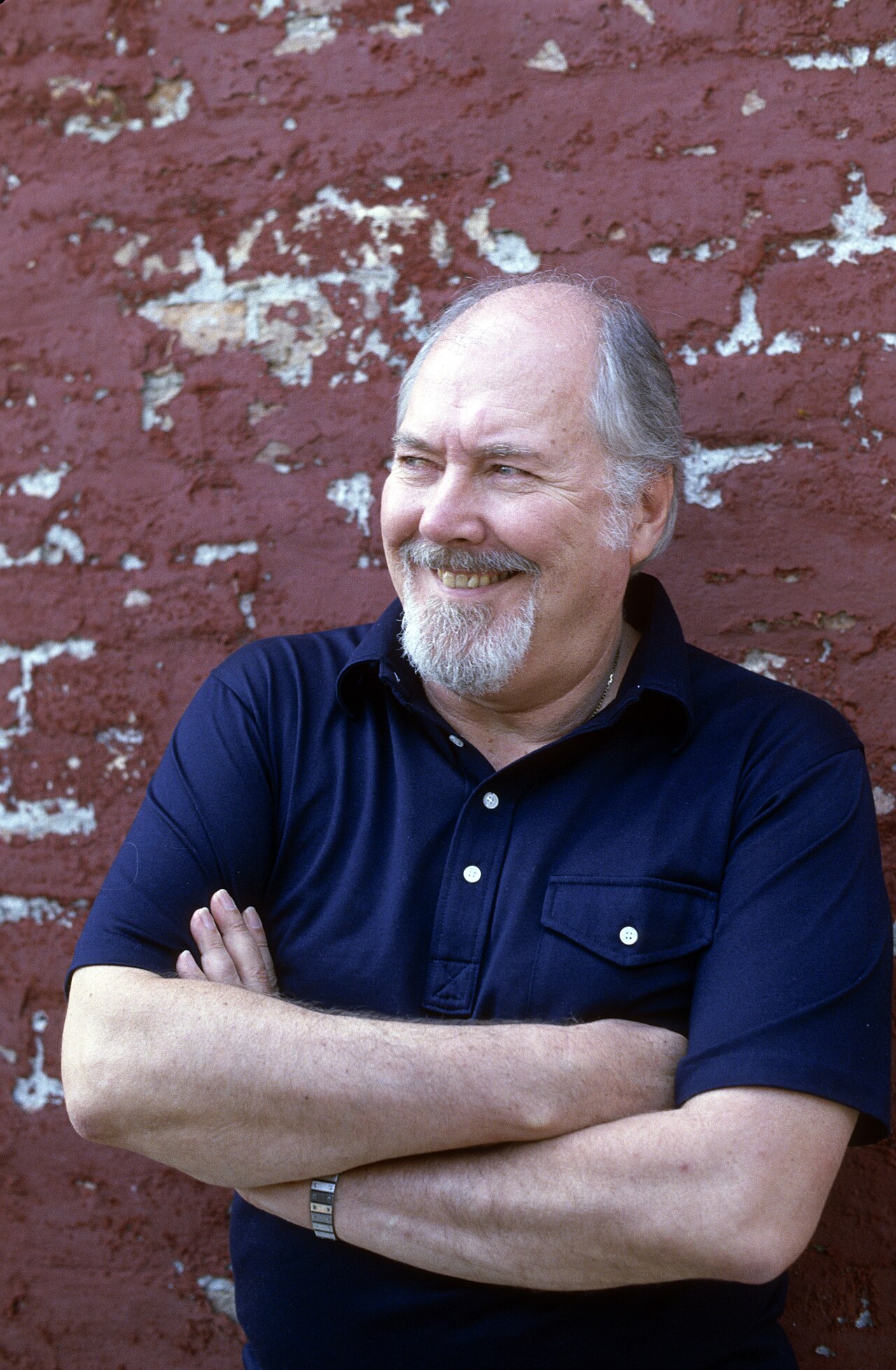
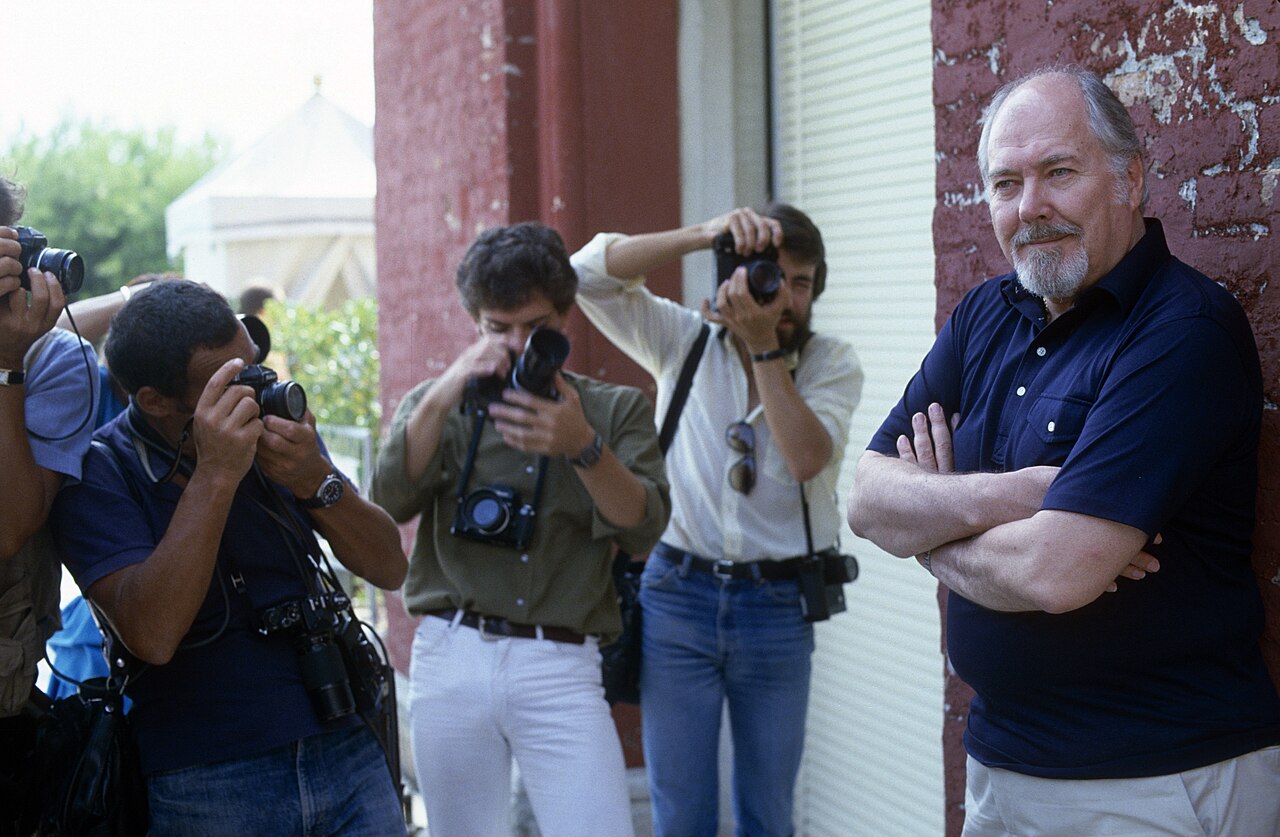
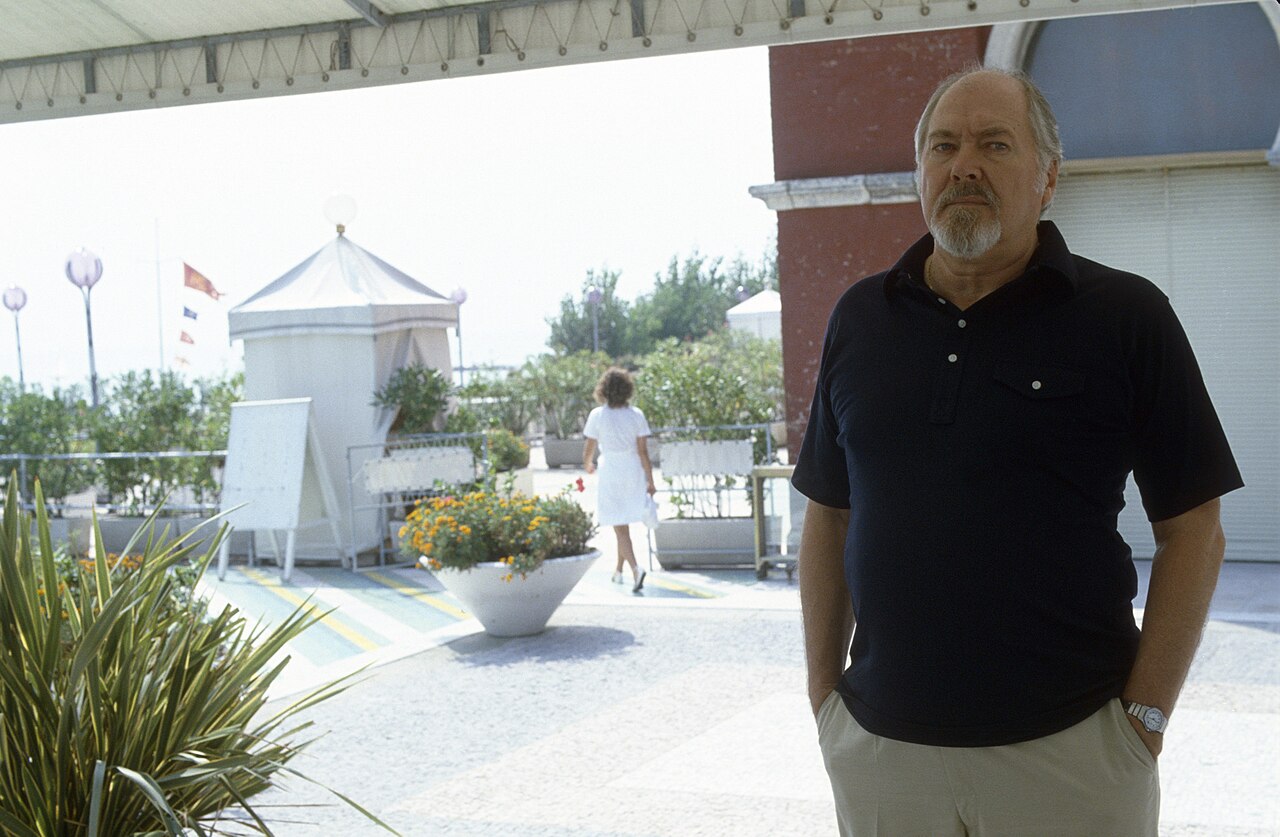
Gallery


Frequently Asked Questions
Who is Robert Altman?
Robert Bernard Altman (1925–2006) was an American filmmaker born in Kansas City, Missouri, who became one of the defining voices of the New Hollywood period. He specialized in ensemble dramas and comedies that skewered American society through layered, overlapping conversations.
What is Robert Altman's signature 'power'?
His signature technique is the use of overlapping, multi-track dialogue combined with large ensemble casts, creating a sense of chaotic, democratic storytelling where no single character dominates. This approach made films like Nashville and The Player feel like living cross-sections of their worlds.
Which era does Robert Altman belong to?
Altman is firmly anchored in the New Hollywood era of the late 1960s through the 1970s, a period when filmmakers broke away from rigid studio formula. His subversive, satirical tone and willingness to let narratives sprawl without a single hero made him a key figure of that movement.
What are Robert Altman's most iconic works?
Fans most often cite M*A*S*H (1970), Nashville (1975), and The Player (1992) as his landmark achievements, with The Longest Day (1962) and A Wedding (1994) also holding strong fan loyalty. His body of work spans war satire, musical ensemble, and Hollywood critique.
Why does Robert Altman matter to film history?
Altman proved that a film could hold dozens of characters in equal focus while still delivering sharp social commentary, a structure that influenced generations of ensemble-driven storytelling. His death in November 2006 marked the loss of one of the last great independent-minded auteurs bridging the classic studio and New Hollywood eras.
More in Auteur Film Directors 1-17
Spotted an error? Know more?
This is a living reference — every entry is fact-audited, and reader corrections feed straight into our audit queue. Suggest an edit · See this site's audit record