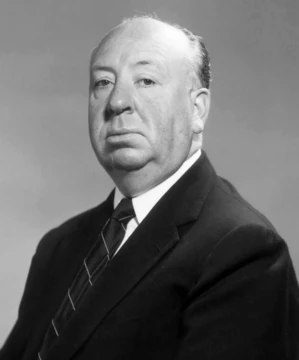
Stanley Kubrick
American filmmaker known for meticulous craft and genre-spanning films.

via Wikipedia: Stanley Kubrick · see source
Stanley Kubrick was an American filmmaker and photographer, born in New York City on July 26, 1928, and died on March 7, 1999. A prominent figure of the New Hollywood era, he is regarded as one of the greatest and most influential filmmakers. His films spanned a number of genres and gained recognition for their attention to detail, innovative cinematography, extensive set design, and dark humor.
- born
- July 26, 1928, New York City
- died
- March 7, 1999
- field
- Filmmaker, photographer
- nationality
- American
- known_for
- Innovative cinematography, meticulous direction, films spanning multiple genres
Verified Timeline
Lore & Background
Kubrick began his career as a photographer for Look magazine in the late 1940s and early 1950s. His first major Hollywood film was The Killing (1956), followed by collaborations with Kirk Douglas on Paths of Glory (1957) and Spartacus (1960). In 1961, he settled in England, and by 1978 made his home at Childwickbury Manor with his wife Christiane, where he centralized writing, research, editing, and management of his productions, allowing near-complete artistic control with financial support from major Hollywood studios. His early English films included Lolita (1962) and Dr. Strangelove (1964), both starring Peter Sellers. A perfectionist who assumed direct control over most aspects of his filmmaking, Kubrick cultivated expertise in writing, editing, color grading, promotion, and exhibition. He was famous for the painstaking care taken in researching his films and staging scenes, frequently asking for several dozen retakes of the same shot. His films broke new ground: 2001: A Space Odyssey (1968) pioneered scientific realism and innovative special effects, earning him his only Academy Award (for Best Visual Effects). Many of his films were controversial and initially received mixed reviews upon release—particularly the brutal A Clockwork Orange (1971), which Kubrick withdrew from circulation in the UK following a media frenzy. With The Shining (1980), he became one of the first directors to make use of a Steadicam for stabilized and fluid tracking shots, a technology vital to his Vietnam War film Full Metal Jacket (1987). A few days after hosting a screening for his family and the stars of his final film, Eyes Wide Shut (1999), he died at the age of 70.
Reader's Guide
Stanley Kubrick's significance lies in his uncompromising artistic control and technical innovation across diverse genres. His films, from the anti-war Paths of Glory to the Cold War satire Dr. Strangelove and the science fiction epic 2001: A Space Odyssey, are considered landmarks that broke cinematic ground. Despite many initially receiving mixed reviews, most were nominated for Academy Awards, Golden Globes, or BAFTA Awards and underwent critical re-evaluations. His use of the Steadicam in The Shining and the scientific realism and innovative special effects in 2001 influenced subsequent filmmaking. Kubrick's perfectionism, while often confusing and frustrating his actors, resulted in meticulously crafted works that continue to be studied and admired. His legacy endures as a director who pushed boundaries in storytelling, cinematography, and set design, earning him a place among the greatest and most influential filmmakers.
Did You Know?
- Kubrick's father taught him chess when he was 12; the game remained a lifelong interest and appears in many of his films.
- He sold his first photographic series to Look magazine, printed on June 26, 1945.
- His first short film, Day of the Fight, cost $3,900 to make and sold to RKO-Pathé for $4,000—the most the company had ever paid for a short film at the time.
- Kubrick earned his only Academy Award for Best Visual Effects for 2001: A Space Odyssey (1968).
- He withdrew A Clockwork Orange (1971) from circulation in the UK following a media frenzy.
Frequently Asked Questions
Who is Stanley Kubrick?
Stanley Kubrick was an American filmmaker and photographer born in New York City in 1928. He became one of the defining voices of the New Hollywood era, recognized for his obsessive attention to detail and a genre-spanning body of work.
What are Stanley Kubrick's most famous films?
His most celebrated works include 2001: A Space Odyssey, A Clockwork Orange, The Shining, and Barry Lyndon. These titles showcase his range across science fiction, psychological horror, and historical drama.
What made Stanley Kubrick's filmmaking style distinctive?
Kubrick was renowned for his meticulous set design, innovative cinematography, and a dry, dark sense of humor woven into his narratives. He demanded extraordinary precision from his crews, often reshooting scenes until every frame met his exacting standards.
When did Stanley Kubrick die?
He passed away on March 7, 1999, at the age of 70. His final completed film, Eyes Wide Shut, was released that same year.
Why is Stanley Kubrick considered one of the greatest filmmakers?
His influence spans virtually every aspect of modern cinema, from practical effects to narrative structure. Directors and cinematographers continue to study his work for its technical ambition and its ability to blend multiple genres under a distinctly personal vision.
More in Auteur Film Directors 1-17
Spotted an error? Know more?
This is a living reference — every entry is fact-audited, and reader corrections feed straight into our audit queue. Suggest an edit · See this site's audit record